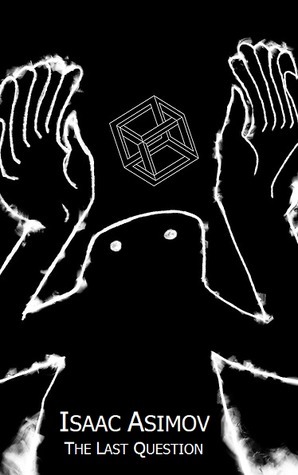
- The Last QuestionIsaac Asimov
Goodreads - What the Dead KnowBarbara Butcher
Goodreads - Seven Brief Lessons on PhysicsCarlo Rovelli
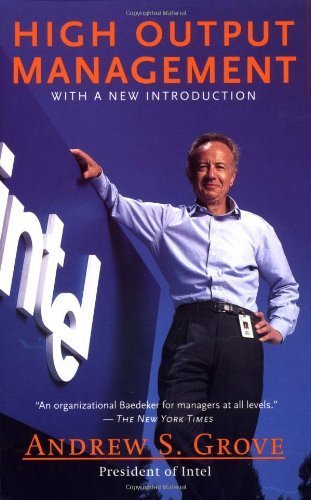
Goodreads - High Output ManagementAndrew Grove
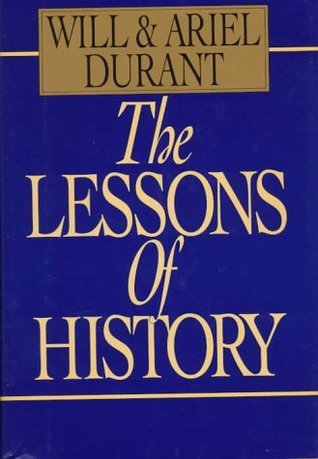
Goodreads - The Lessons of HistoryWill & Ariel Durant
Goodreads - There's Nothing Like ThisKevin Evers
Goodreads - Why Buddhism is TrueRobert Wright
Goodreads - Murder on the Orient ExpressAgatha Christie
Goodreads
- CS, physics, math @ vandy '27
- prev: swe intern @Treater
- undiagnosed theatre kid
- i want nuclear fusion so bad
- earth, probably
rachel told me to tell you that the world is still beautiful, like a dumpster fire of stardust
we're launching a heist to get them back
On April 1, 2026, YouTuber Asa Park released a video essay entitled “MrBeast is What Fred Rogers Warned Us About”. Okay, I know who MrBeast is. Who’s Fred Rogers? Turns out that’s basically the meta point of the video.
Fred Rogers spent the majority of his adult life campaigning for safe, educational, and respectful children’s entertainment. He ran a show on PBS called Mr Roger’s Neighborhood and intentionally filled his show with silence, slow music, and creative imagination. I wonder if Barney was inspired by him.
He talked to children about complex situations like death, divorce, and assassination. He intentionally avoided any form of slapstick comedy that’s typical of children’s shows, and instead voiced puppets in an imaginary world to talk about emotional growth, self-worth, and anti-discrimination. It’s incredible. I’ve only watched snippets of his show and already I almost wish could watch his show from the eyes of my kid self, she would have loved it.
Fred Rogers, was, by all measures, successful. His show got millions of monthly viewers at its peak and he managed to secure $20 million in funding for PBS, arguably a big reason why PBS even exists today. MrBeast is also successful. He has the most subscribers on YouTube, and his videos regularly get millions of views.
Fred Rogers would have hated the phenomenon that is MrBeast and the economy that allows this strain of content creation to thrive. Fred passed away in 2003. For someone who spent his life arguing that mainstream children’s television was disrespectful of childhood, I think he would be disheartened to watch an episode of Cocomelon, or to learn about the epidemic of iPad toddlers. I think there’s this sentiment that distraction is a modern problem in the era of technology. Clearly, that’s not true. Marketing and the attention economy weren’t invented by the Internet, though the Internet of course was a major amplifier of everything good and bad about humanity.
We all know that MrBeast has cracked the attention economy. His videos are full of extravagant amounts of cash and precisely-edited clips because those are the things that grab and steal people’s attention. And his audience is largely made up of young children. I don’t think MrBeast is evil, but clearly the goals of capitalism and a child’s mental wellbeing are not aligned.
Phone addiction is so often phrased as a lack of discipline. But how can discipline trump psychology? Just like you can’t help turning if I screamed “FIRE!”, your kid can’t tear their eyes away from the screen. There’s a sort of hardwiring of the brain to pay attention to these things, because these are the alerts that kept our ancestors alive from predators.
I hope you realize that this is not really a point about children’s entertainment, even though I think that’s a pretty important thing to respect (I am so glad I grew up watching Backyard Science). This is a point about choosing the things that you choose to consume. Because it’s really not your phone that’s evil, and no amount of you guilt-tripping yourself or locking yourself out of apps is going to solve the actual problem.
I’m lucky to have enough autonomy in my life that I could carefully filter the inputs that I choose to engage in, from the food I eat to how much water I drink to the media I consume. I’m also lucky enough that my mother shared the gift of reading with me as a kid, and though I hadn’t read in a while, I picked up some books and started again. And the strange thing is that if you read enough books, short-form video starts becoming annoying. If you watch enough TED-Ed videos of topics that you’re interested in, slop content starts to feel like a solicitor knocking on your door uninvited.
MrBeast will always be around, but I genuinely think that it’s possible to reclaim attention.